1139) THIRD-PARTY ZAKAT COLLECTION UNDER FIRE AS PUBLIC TRUST COMES INTO QUESTION - NEW STRAITS TIMES - 26/04/2026
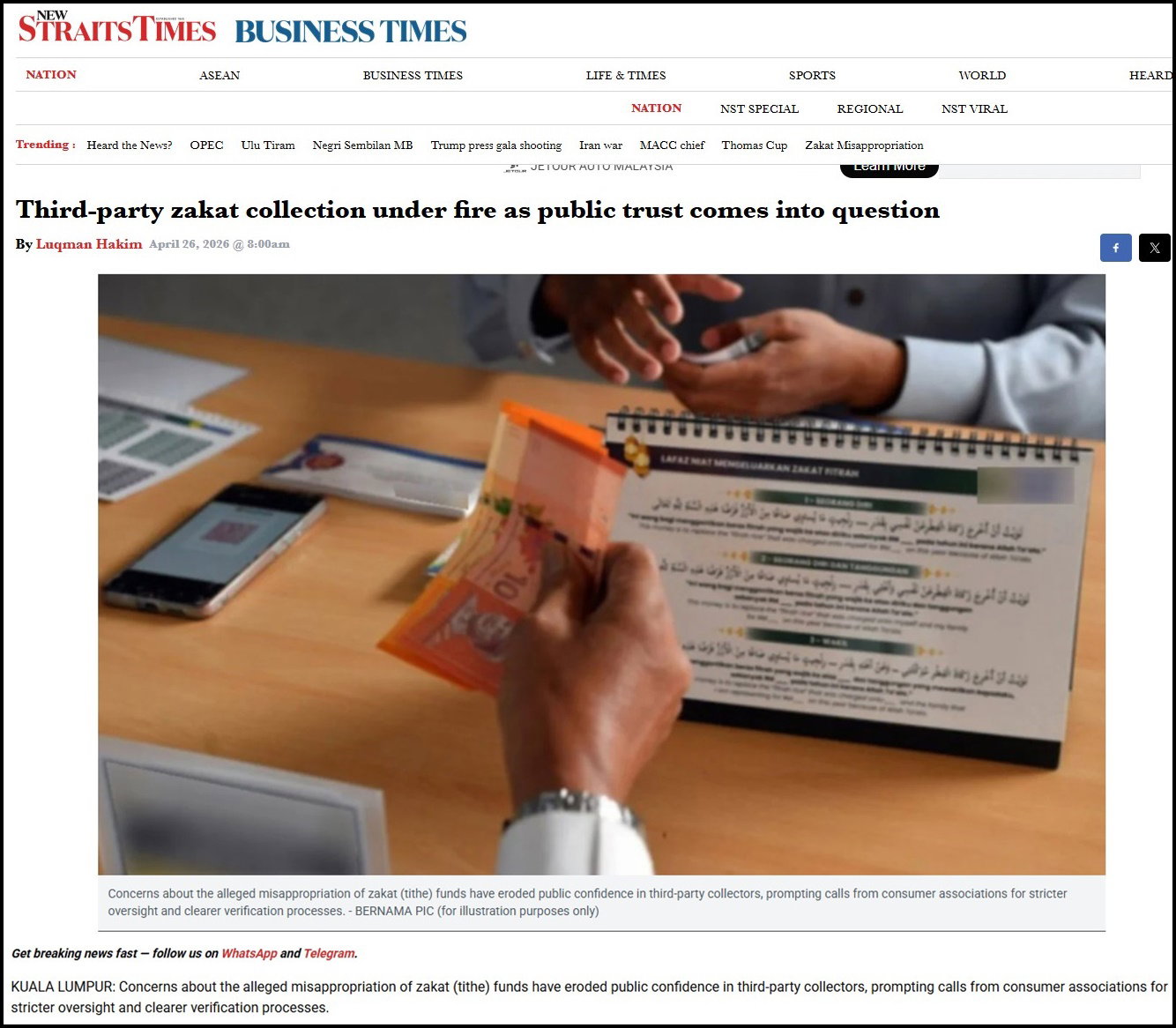
KUALA LUMPUR: Concerns about the alleged misappropriation of zakat (tithe) funds have eroded public confidence in third-party collectors, prompting calls from consumer associations for stricter oversight and clearer verification processes.
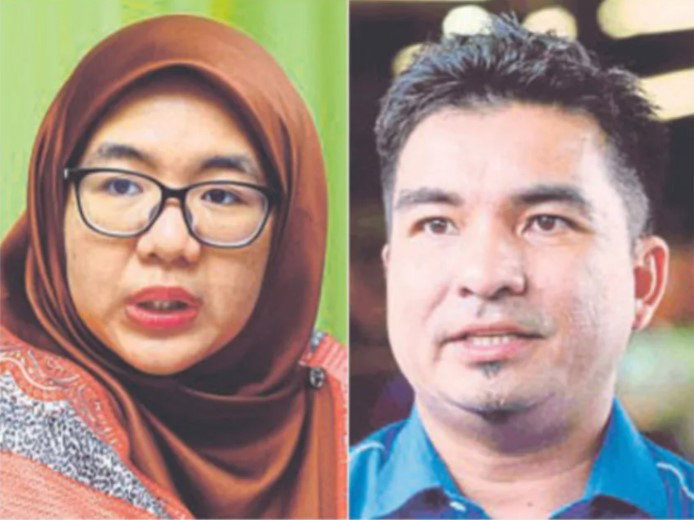
Federation of Malaysian Consumers Associations (Fomca) chief operating officer Nur Asyikin Aminudin said the growing number of entities, including non-governmental organisations (NGOs), soliciting zakat contributions has increased confusion among payers.
She said recent issues surrounding fund management have made contributors more cautious, particularly when dealing with intermediaries.
"It's true that there has been an impact on public perception, but not towards official zakat centres.
"It mainly affects NGOs that collect zakat, as people may become more suspicious.
"From a consumer perspective, there is increasing concern about whether zakat contributions are being channelled correctly, especially when payments are made through third parties.
"NGOs can play a role, but they must be verified by zakat authorities.
"Otherwise, it creates confusion and opens the door to potential misuse," she said.
She said many contributors prefer to deal directly with official zakat institutions to avoid uncertainty.
"The safest option is to pay directly to a zakat centre.
"For those who go through other channels, they must first verify that the organisation is registered not just with the Registry of Societies, but also with relevant religious bodies."
To address the issue, she called for stronger monitoring mechanisms.
"There should be internal auditors or regulators from zakat institutions to oversee NGOs or agents involved in tithe collection.
"This ensures accountability and compliance.
"People should be able to access information on how the zakat is distributed. Transparency will help rebuild trust."
Nur Asyikin said authorities must monitor online platforms, adding that many unauthorised or obscure entities might be using digital channels to solicit contributions.
Meanwhile, Kedah Consumers Association president Mohamad Yusrizal Yusoff said appointing third-party agents to collect zakat was unnecessary and risked undermining public confidence in the system.
He disagreed with the practice of outsourcing zakat collection to external parties, arguing that state zakat institutions should handle collections to avoid confusion and potential mismanagement.
"Recently, cases have emerged where state zakat centres appointed agents to collect tithe, but the funds were misappropriated.
"This has reduced confidence among zakat payers.
"Many are worried their money may be misused."
Yusrizal said recent enforcement actions involving large sums of misappropriated funds had shaken trust, making some contributors hesitant to fulfil their obligations through unofficial channels.
He said zakat institutions at the state level can manage collections without relying on third parties.
"Zakat centres should collect directly from payers.
"Even online systems can be managed internally without involving third parties," he said.
Muslim Consumers Association of Malaysia president Datuk Nadzim Johan said the incident highlighted the need for clearer governance and standard operating procedures (SOPs) in zakat management.
He said a lack of clear guidelines and oversight could lead to suspicion and reputational harm, even for parties not directly involved.
"We need clear SOPs and acceptable methods that do not raise doubts.
"When issues reach enforcement agencies or the courts, it creates unease and affects public confidence."
Article by: New Straits Times
THIRD-PARTY ZAKAT COLLECTION UNDER FIRE AS PUBLIC TRUST COMES INTO QUESTION